
PRESSURE WASHING AND SOFT WASHING FAQS | ELITE EXTERIORS HAMPTON ROADS
Choosing the Right Cleaning Method
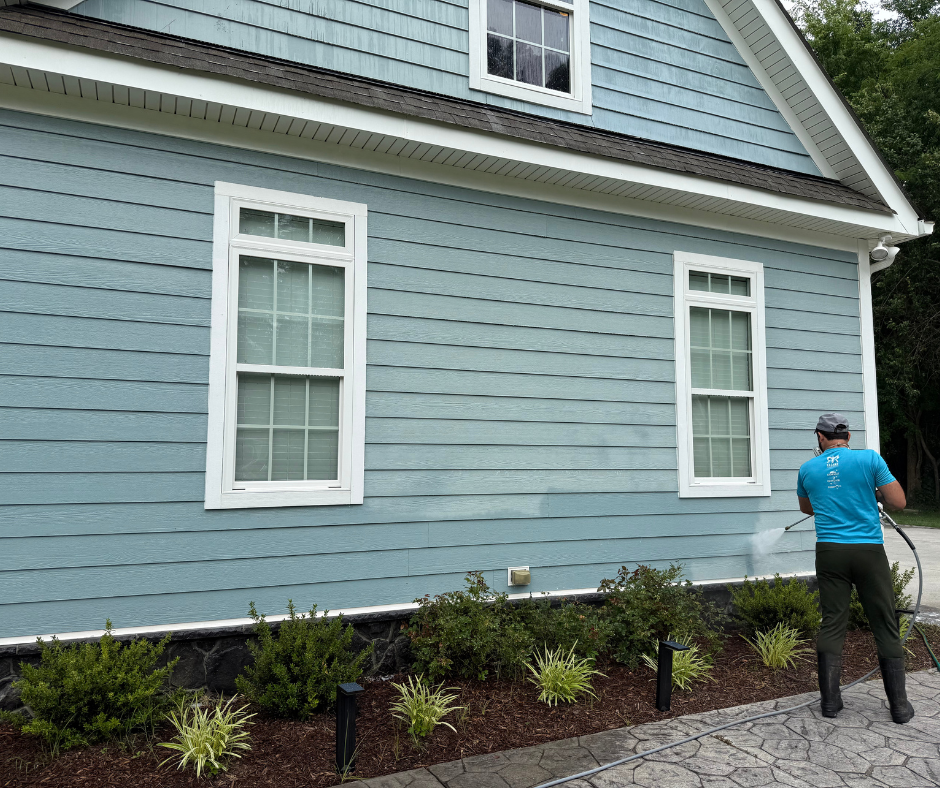
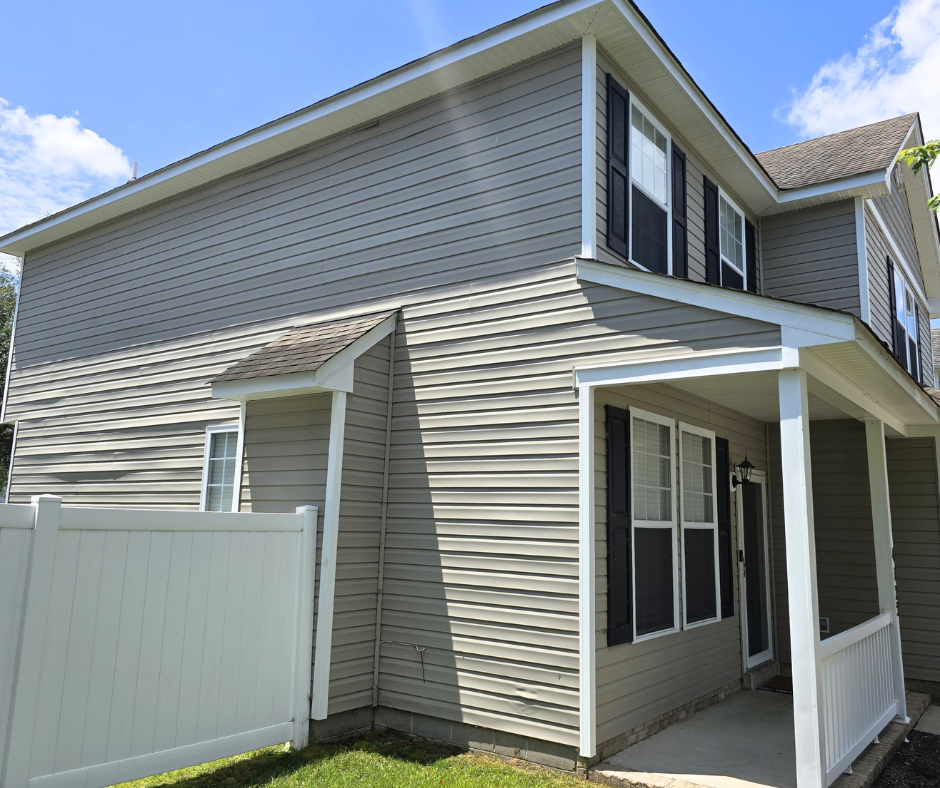
Most home exteriors should be soft washed rather than cleaned with strong pressure. Soft washing uses controlled, low-pressure application and a surface-appropriate cleaning solution to loosen and treat algae, mildew, dirt, and other organic buildup. Higher pressure is generally reserved for durable materials such as sound concrete. Before work begins, we evaluate the material, age, condition, stains, and surrounding areas so we can select the safer method for each part of the property.
Soft washing is an exterior cleaning process that relies more on the cleaning solution and dwell time than on the force of the water. The solution is applied at low pressure, allowed time to break down organic growth, and then rinsed carefully. This gives the buildup time to release without treating delicate siding, trim, paint, or shingles like a concrete surface.
Not exactly. Pressure is only one part of the process. A proper soft wash also considers the type and strength of the cleaning mixture, application method, dwell time, temperature, runoff, plant protection, and rinsing. The goal is to treat the cause of the discoloration while using as little mechanical force as the surface requires.
We base that decision on the surface, condition, manufacturer guidance, surrounding materials, and the type of buildup. Vinyl siding, painted trim, wood, stucco, brick, composite materials, concrete, and roofing do not all respond the same way. We inspect first, test when appropriate, and adjust the process instead of assuming one setting will work everywhere.
High pressure can be risky on siding, roof shingles, window seals, screens, aging paint, soft wood, loose mortar, decorative finishes, electrical components, and any surface that is already damaged. Those areas require a gentler approach, additional distance, shielding, hand cleaning, or exclusion from the service when cleaning would create an unreasonable risk.
Protecting Your Home and Property
It can when the wrong pressure, angle, distance, or technique is used. Water can be forced behind siding, paint can be lifted, mortar can be scarred, and window seals or screens can be stressed. Elite Exteriors reduces that risk by using soft washing on appropriate surfaces, avoiding direct force on vulnerable areas, and tailoring the method to the condition of the home.
We identify sensitive exterior fixtures before cleaning and use a combination of careful spray direction, reduced pressure, distance, temporary protection, and avoidance where needed. Homeowners should make sure exterior outlet covers are closed and report any fixture that is loose, cracked, unsealed, or already malfunctioning before service.
We will point out visible concerns that could affect the cleaning process and adjust the scope or method as needed. Cleaning can reveal deterioration that was hidden beneath dirt or organic growth, but it cannot repair a failing surface. If an area is too fragile to clean safely, we may recommend repair first or exclude that area from the service.
Our goal is to keep water moving down and away from openings rather than spraying upward into laps, vents, soffits, doors, or windows. However, exterior washing is not a substitute for weatherproofing. Windows and doors should be fully closed, and known leaks, missing caulk, damaged seals, or construction gaps should be disclosed before work begins.
Yes. A pre-service review helps us identify surface types, access limitations, fragile items, existing damage, heavy staining, drainage patterns, landscaping, pet areas, and any special concerns. That preparation supports our promise of “Excellence in Every Detail” and helps us treat the home as carefully as we would treat our own.

Plants, Landscaping, Pets, and Family Safety
Plant protection begins before the cleaning solution is applied. Depending on the property and service, we may pre-wet vegetation, control the application, limit overspray, manage runoff, rinse plants during the job, and complete a final freshwater rinse. We also ask homeowners to identify delicate plants, new landscaping, vegetable gardens, ponds, or irrigation concerns so we can plan around them.
Professional cleaning solutions must be handled responsibly. Pets should remain indoors or in a secure area away from the work zone while products are being applied and rinsed. After the service area has been thoroughly rinsed and is ready for normal use, pets can return outside. Please tell us about outdoor water bowls, kennels, invisible-fence equipment, pet doors, or animals that may be difficult to keep inside.
Yes. Children should stay indoors and away from hoses, equipment, wet surfaces, and the active cleaning area. This protects them from trip hazards, overspray, and slippery surfaces. Once the work is complete and the area is ready for use, normal outdoor activity can resume.
Please tell us before service about koi ponds, fish, pools, fountains, vegetable or herb gardens, newly planted beds, rare plants, or irrigation systems. These features may require additional shielding, runoff control, plant watering, temporary relocation of small containers, or a modified cleaning plan.
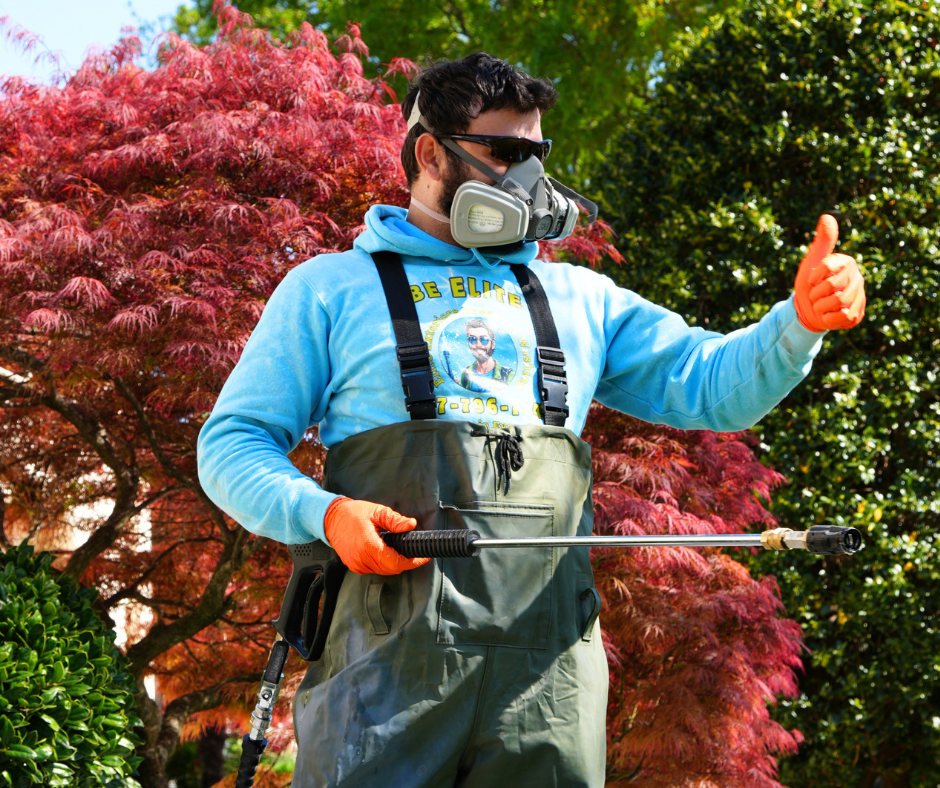
We use professional exterior-cleaning products selected for the surface and the type of contamination being treated. Product labels and responsible application matter more than broad marketing terms. Our focus is correct dilution, controlled use, protection of surrounding areas, and thorough rinsing. We are able to offer the use of chemicals that will neutralize and not harm plants/pets.
Hampton Roads Weather and Coastal Conditions
Our region regularly experiences warmth, humidity, rainfall, shade, and moisture that can support algae and mildew growth. North-facing walls, areas beneath trees, and surfaces with limited airflow often show discoloration first. Soft washing treats the organic growth that is present, while routine maintenance helps keep it from becoming heavily established again.
Coastal air can leave salt and airborne residue on siding, glass, railings, concrete, and other exterior surfaces. Salt can also combine with moisture and dirt, making the property look dull or streaked. Homes closer to the Chesapeake Bay, rivers, inlets, or the ocean may benefit from more frequent exterior rinsing or cleaning than inland properties.
Light rain does not always prevent exterior cleaning, but heavy rain can dilute products, reduce visibility, interfere with dwell time, and create unsafe working conditions. Lightning, strong wind, severe weather, freezing temperatures, or poor site conditions may require rescheduling. We make the decision based on safety and the ability to deliver a quality result.
A normal rain after a properly completed house wash usually does not undo the cleaning. The cleaning solution has already had time to work and the surfaces have been rinsed. If unusual weather affects a freshly treated specialty surface or creates a concern, contact us so we can review the situation.
Exterior cleaning can be scheduled through much of the year when temperatures and weather conditions are suitable. Spring is popular for removing winter buildup and pollen, while fall cleaning can address summer algae, leaves, and organic debris. The best timing depends on the property, shade, trees, upcoming events, HOA needs, and whether you are preparing to sell or paint.
Cold-weather work depends on the temperature, wind, sunlight, surface conditions, and the risk of water freezing on the property or nearby pavement. We may postpone service when freezing is possible or when the conditions would prevent safe, effective cleaning.
What to Expect Before and During Service
Close and lock all windows and doors, bring pets inside, move vehicles away from the work area, remove fragile decorations, and secure or relocate lightweight furniture, cushions, toys, and potted plants. Make sure we can access the service areas and an exterior water source. Please also report leaks, loose fixtures, damaged screens, alarm equipment, or other concerns before we begin.
Usually not, provided we have approved access, working exterior water, clear instructions, and a way to reach you. Gates should be unlocked and pets secured. Any areas that cannot be accessed may be excluded or require a return visit.
For most residential appointments, we connect to the customer’s functioning exterior water supply. Our equipment controls and applies the water for the cleaning process. For larger commercial jobs we are able to obtain the correct permits and connect to the city fire hydrants for cleaning of larger buildings and apartment complexes.
A straightforward house wash may take two hours, while larger or more complex projects can take longer. We focus on completing the work carefully rather than rushing through the property. The time varies with the size and height of the home, access, surface condition, amount of buildup, landscaping, preparation needs, and services included.
We begin with a property review and preparation of the work area. We then protect or rinse surrounding features as appropriate, apply a surface-specific solution at low pressure, allow it time to work, and rinse the treated surfaces. We finish by checking the completed areas, addressing reachable touch-ups, restoring moved items when included, and reviewing any observations with the customer.
Most pressure-washing equipment is self-contained, but certain tools or specialty services may require access to power. We will let you know in advance if electricity is needed. Exterior outlets should be covered, closed, and in good working condition.
Results, Stains, and Maintenance
Soft washing is highly effective on many forms of organic growth and general exterior buildup, but not every discoloration is the same. Rust, oxidation, artillery fungus, hard-water deposits, paint, tar, oil, irrigation stains, and permanent material changes may require specialty treatment or may only improve rather than disappear completely. We explain realistic expectations whenever a stain falls outside a standard wash.
The cleaning may reveal fading, oxidation, sun exposure, paint differences, repairs, or weathering that were previously hidden by dirt. On oxidized siding, aggressive rubbing or pressure can create visible marks, so the safest cleaning method may remove the organic growth without making the aged material look brand new. We also offer oxidation removal which is a specialized service to restore the siding to its original shine and remove the faded, powder look.
Standard house washing often removes organic buildup and loose dirt from gutter exteriors, but dark vertical “tiger stripes” can be an electrostatic or oxidation-related stain that requires a separate gutter-brightening process. Because that process is more detailed and uses different products, it should be quoted separately.
Many stains can be improved, especially when treated promptly, but concrete is porous and can absorb oil, rust, fertilizer, paint, and other contaminants. Results depend on the stain, age, depth, previous treatments, and condition of the concrete. Specialty stain treatment may cost extra and complete removal cannot always be guaranteed.
There is no single timeline for every home. Shade, trees, humidity, drainage, nearby water, roof runoff, airflow, siding orientation, and weather all affect regrowth. Many homeowners schedule exterior cleaning annually or when visible buildup returns. We can recommend a maintenance interval after seeing the property.
A general starting point is every 12 to 24 months, but some properties need annual service while others can go longer. Homes with heavy tree cover, persistent shade, coastal exposure, HOA standards, or recurring algae may need more frequent attention. The condition of the home should guide the schedule rather than a rigid calendar.
Concrete, Driveways, Patios, Decks, and Other Surfaces
Different exterior materials require different expectations, pressure levels, and aftercare.
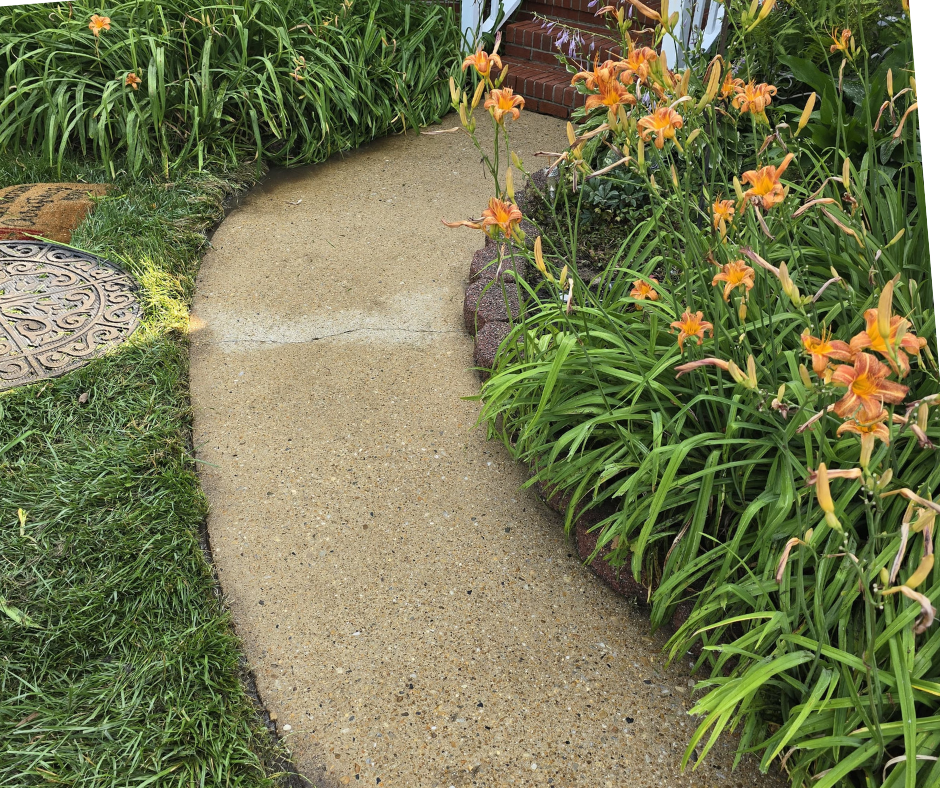
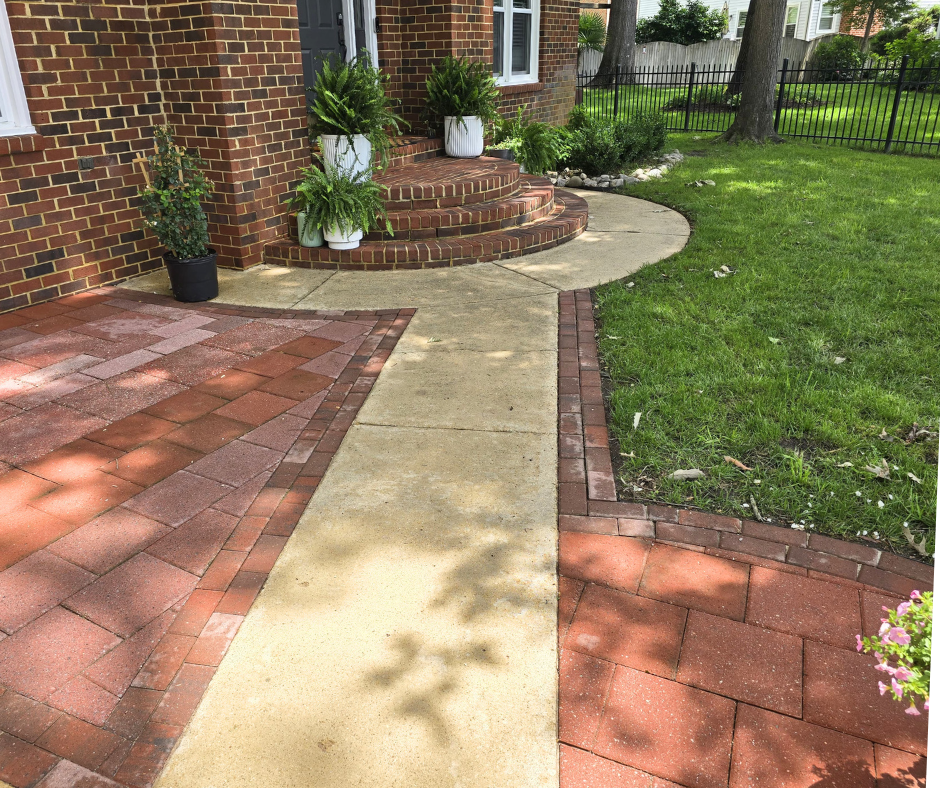
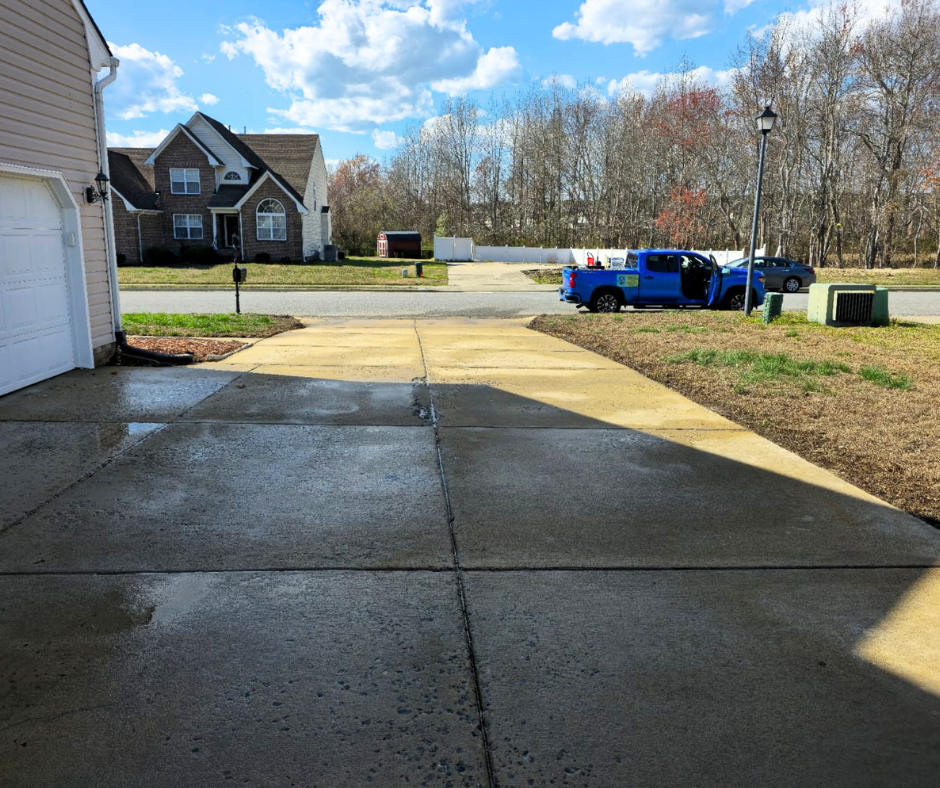
Sound, properly cured concrete can usually be cleaned with professional pressure and a surface cleaner. We still consider the age, condition, cracks, repairs, sealers, exposed aggregate, and existing damage. New concrete should be allowed to cure sufficiently before pressure cleaning, and deteriorated or decorative surfaces may require a modified approach.
Lines often result from an uneven wand pattern, holding the nozzle too close, moving inconsistently, using excessive pressure, or operating a surface cleaner incorrectly. Professional cleaning uses overlapping passes, appropriate equipment, and a final inspection to produce a more uniform appearance.
Wood requires controlled soft pressure, correct chemicals and careful technique because excessive force can raise the grain, splinter fibers, create stop marks, or damage aged boards. The appropriate process depends on the species, coating, age, and condition. Cleaning can improve appearance, but it does not replace sanding, staining, sealing, or repairs.
Foot traffic can usually resume once the area is no longer slippery and the crew has removed hoses and equipment. Allow additional drying time before replacing rugs, cushions, or furniture, and before applying a sealer or coating. If a specialty treatment or sealing service is performed, follow the specific aftercare instructions provided.
Yes, many of these surfaces can be cleaned, but they must be evaluated individually. Brick mortar, painted masonry, synthetic stucco, traditional stucco, limewash, and older coatings can have different vulnerabilities. We choose a lower-pressure or specialty method when needed and may test a small area first.
Pricing, Estimates, and Hiring a Professional
These questions help qualified visitors understand how quotes are prepared and why professional methods matter.
Pricing depends on the size and height of the property, surface type, level of buildup, access, water availability, preparation needs, stain treatment, and the services selected. A driveway, full house wash, gutter cleaning, roof treatment, and commercial property are all priced differently. Elite Exteriors provides a clear estimate based on the actual scope instead of relying on one price for every property.
Many residential quotes can be prepared using the address, current photographs, online property information, measurements, and a short conversation about the scope. Properties with unusual access, heavy staining, delicate surfaces, commercial requirements, or unclear measurements may need an on-site review.
A rented machine can provide water pressure, but it does not automatically provide surface knowledge, safe application, appropriate solutions, commercial accessories, runoff planning, or experience around windows, siding, plants, and electrical fixtures. Hiring a professional can reduce the risk of etched concrete, damaged siding, water intrusion, striping, injury, and incomplete removal of organic growth.
Elite Exteriors is fully insured.
Our goal is to provide an elite cleaning service with careful workmanship and clear expectations. If you are not satisfied with an area we cleaned, let us know within 48 hours and we will return to make it right until we reach a fair and reasonable resolution. While we cannot guarantee that every stain or discoloration will be completely removed, we will always be honest about what is possible and do right by the customer.
Elite Exteriors serves Chesapeake and surrounding Hampton Roads communities. The final published answer should list only the areas currently covered, such as Virginia Beach, Norfolk, Suffolk, Portsmouth, Hampton, Newport News, Williamsburg, Yorktown, Smithfield, and nearby communities.
Still Have a Question About Your Property?
Every home and exterior surface is different. Send Elite Exteriors a few details about your property, the areas you want cleaned, and any concerns about plants, pets, access, stains, or delicate materials. We will recommend the appropriate service and provide a clear estimate for your project.
Excellence in Every Detail. Careful service, clear communication, and the same respect we would want for our own home.