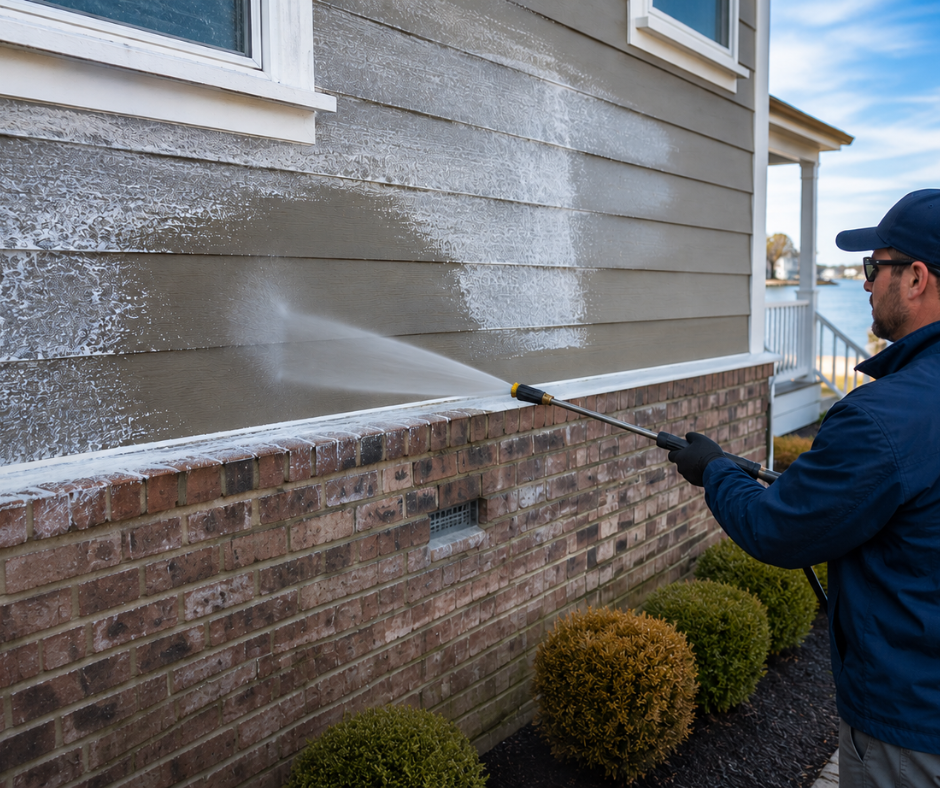
Living in Hampton Roads means dealing with salt-laden moisture as well as coastal views. Salt residue settles on exterior surfaces, holds moisture, attracts organic debris, and gradually contributes to staining, corrosion, coating failure, and reduced structural integrity.
Exposure varies across Virginia Beach, Norfolk, Chesapeake, Hampton, Newport News, and nearby communities, but the pattern is the same. Salt remains after moisture evaporates, so routine exterior maintenance matters even when a property does not look heavily soiled.
How Salt Air Affects Hampton Roads Properties
Salt film commonly collects on siding, gutters, windows, concrete, decks, railings, and outdoor fixtures. Left in place, it can speed up rust on metal components, shorten the life of paint and caulking, and increase moisture retention around joints, trim, and roofline details.
Cleaning will not stop coastal exposure, but it does remove corrosive buildup and reveal early warning signs. That makes professional pressure washing and soft washing practical maintenance tools, not just appearance services.
Surface-by-Surface Protection
Siding and Trim
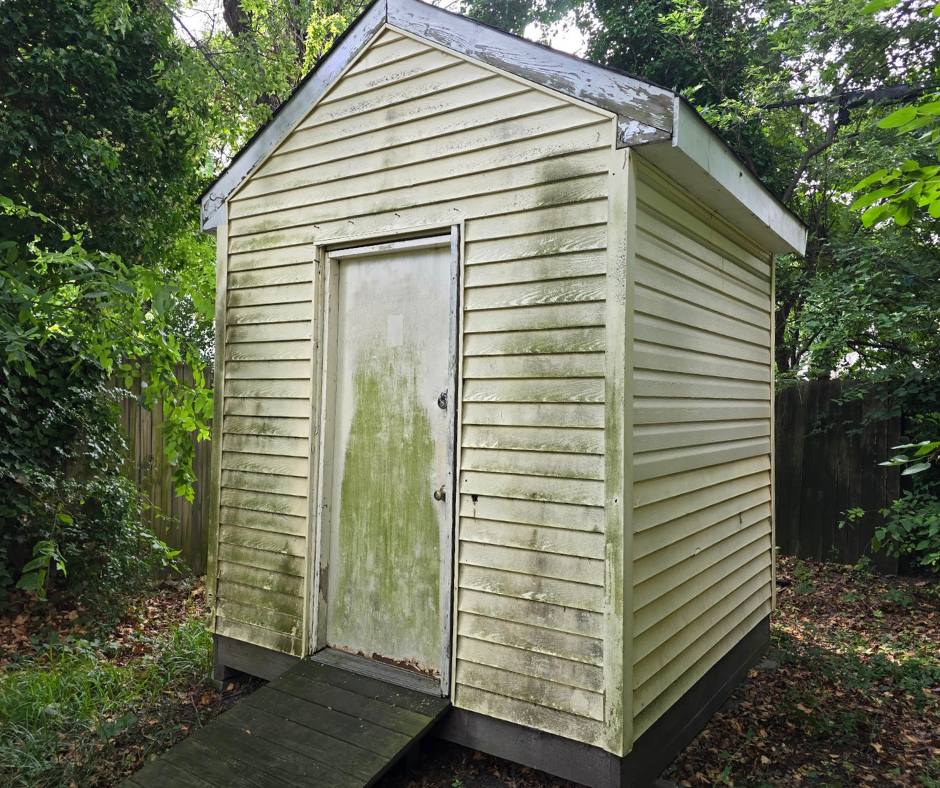
Siding and trim often hold a thin layer of salt, dirt, pollen, and algae. Vinyl is fairly resilient, but painted wood, aluminum, fiber cement, soffits, and trim can show earlier wear when buildup is ignored.
A periodic exterior house washing service in Virginia Beach helps remove residue safely. Soft washing is usually the right choice because it cleans effectively without forcing water behind panels or damaging finishes.
Gutters and Downspouts
Gutters face two coastal problems: salt exposure and trapped debris. Together, they can accelerate corrosion, stress fasteners, and cause overflow that affects the roofline and foundation.
Keeping the system clear improves drainage and limits long-term wear. Our guide to gutter cleaning before storm season explains why this matters in Hampton Roads.
Windows, Masonry, and Outdoor Features
Salt buildup on windows and doors can leave glass cloudy and hardware more vulnerable to sticking or corrosion. Concrete, brick, patios, and walkways can also hold residue in pores and small cracks, leading to staining and surface wear over time.
Durable surfaces often respond well to professional pressure washing when the pressure is matched to the material and condition. If you are researching pressure washing Chesapeake, choose a provider that understands local weather and safe operating ranges.
Decks, railings, fixtures, and exterior hardware also deserve regular inspection. Wood and composite surfaces benefit from cleaning, while metal components should be checked for rust, flaking coatings, and pitting.
A Practical Hampton Roads Maintenance Schedule
The best timing depends on proximity to open water and exposure to wind-driven moisture.
- After major storms: Rinse accessible areas with fresh water when safe.
- Monthly or quarterly: Inspect siding, windows, gutters, railings, and visible fasteners.
- At least twice per year: Clean exterior surfaces as needed.
- Before storm season: Clear gutters, test downspouts, and inspect caulking and trim.
- Annually: Schedule a professional exterior review and cleaning plan.
Properties near the bay or ocean usually need more frequent attention than homes farther inland. Commercial sites may also benefit from a scheduled commercial pressure washing Hampton Roads program.
Choosing Soft Washing or Pressure Washing
Soft washing is better for siding, painted surfaces, trim, and other materials that can be damaged by excessive force. Pressure washing is more appropriate for durable surfaces such as driveways, sidewalks, patios, and some decks.
As outlined in this guide to soft washing and pressure washing, the best method depends on the substrate, condition, and type of buildup. More pressure is not automatically better; correct technique protects the surface.
Elite Exteriors’ Coastal Cleaning Process
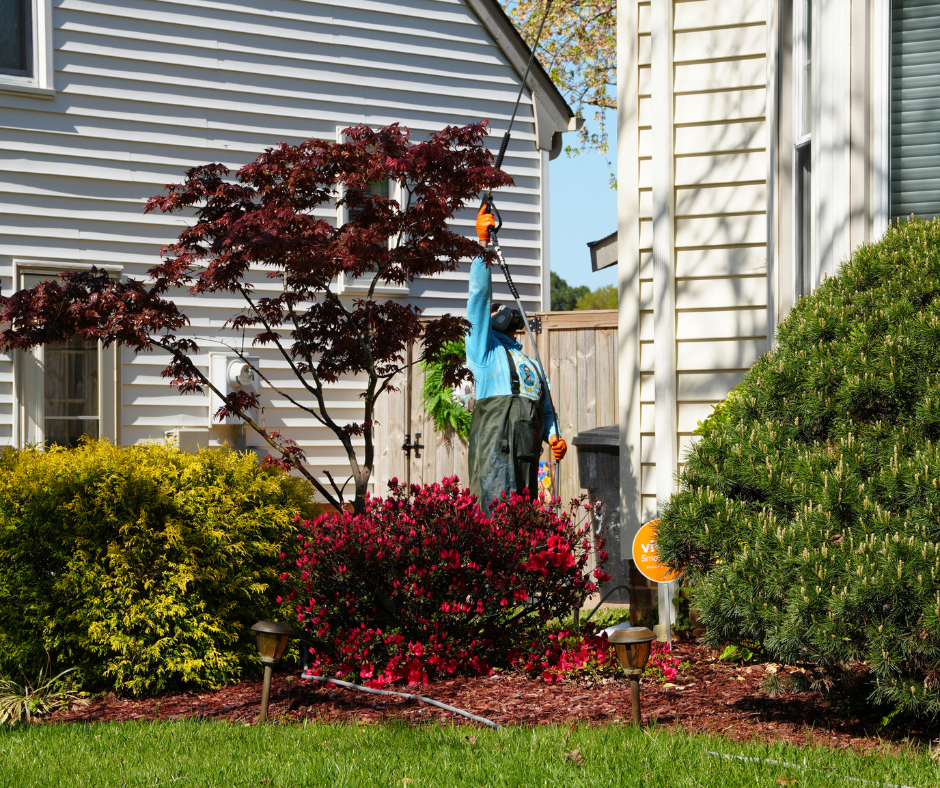
Elite Exteriors starts with a visual inspection of the property. Our family-run team reviews materials, buildup, drainage conditions, and signs of corrosion or failing sealants before recommending a service approach.
We then protect surrounding landscaping and use professional-grade equipment with an eco-friendly approach. Durable areas may receive controlled pressure washing, while siding and delicate surfaces are treated with a low-pressure soft wash. A final inspection helps confirm that residue has been removed and that developing maintenance issues have been identified.
For homeowners looking for power washing Hampton VA or pressure washing Virginia Beach services, Elite Exteriors provides local, property-specific recommendations designed for coastal conditions.
Frequently Asked Questions
1. How often should a Hampton Roads home be washed because of salt air?
Most homes benefit from professional exterior cleaning once or twice per year, plus extra rinsing after major storms. Waterfront properties usually need more frequent service because exposure is higher.
2. Is pressure washing safe for siding near the coast?
Usually, no. Most siding is better cleaned with soft washing, which removes salt film and organic growth with lower pressure and less risk to paint, panels, and caulking.
3. Can cleaning prevent rust and corrosion?
Not entirely. However, cleaning removes corrosive residue and helps property owners catch rust, failing coatings, and loose hardware before the damage becomes more serious.
Summary
Protecting a Hampton Roads property from salt air requires regular rinsing, clear gutters, routine inspections, and the right cleaning method for each surface. Elite Exteriors combines local experience, family-run care, eco-friendly practices, and professional pressure washing and soft washing to help homeowners and commercial property owners reduce coastal wear and maintain their exteriors.