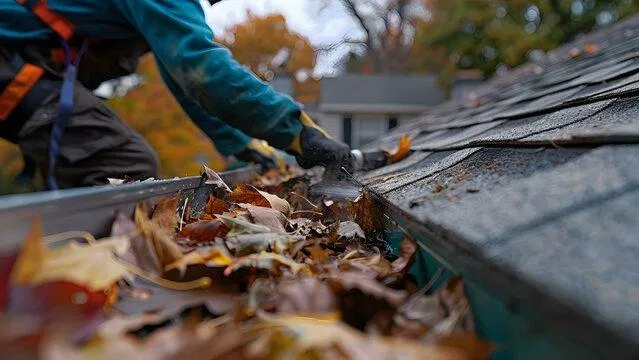
Living in the Hampton Roads area means we get the best of the Atlantic: and occasionally, the worst of its weather. As we approach the peak of hurricane season, homeowners in Virginia Beach and Hampton are boarding up windows and stocking up on supplies, but many overlook the most critical line of defense against water damage: the gutter system.
Gutters are designed to channel thousands of gallons of water away from your home’s foundation, crawlspace, and roofline. However, a gutter is only as effective as its latest cleaning. When tropical storms roll in with several inches of rain in a few hours, even a small blockage can lead to catastrophic structural failure.
At Elite Exteriors Pressure Washing, we’ve seen the aftermath of neglected drainage systems across Virginia. To help you protect your investment, we’ve identified seven common gutter cleaning mistakes that could leave your home vulnerable this storm season.
1. The "Wait Until It Overflows" Strategy
The most frequent mistake homeowners make is treating gutter maintenance as a reactive task rather than a proactive one. If you wait until you see water cascading over the side of your gutters like a waterfall, the damage is likely already happening.
In tree-heavy neighborhoods across the Mid-Atlantic, organic debris accumulates much faster than most realize. Pine needles, oak tassels, and maple seeds can fill a gutter in a single season. By the time you notice an overflow, the weight of the water and wet debris is already straining the fasteners that hold the gutters to your fascia boards.
The Fix: Schedule cleanings at least twice a year: typically in late spring and late fall. However, for gutter cleaning in Virginia Beach, where salt air and heavy storms are frequent, an additional mid-summer check before hurricane season is highly recommended.
2. Ignoring Downspouts and Extensions
It is a common sight: a homeowner spends hours scooping leaves out of the horizontal runs but never checks if the downspouts are clear. If the vertical pipe is clogged, the water has nowhere to go but back up into the gutter.

Furthermore, downspouts that discharge water directly at the base of your foundation are doing only half the job. In Virginia’s sandy or clay-heavy soils, localized saturation can lead to foundation settling or flooded crawlspaces.
The Fix: Always flush your downspouts with a hose after cleaning the gutters to ensure total structural integrity. Downspouts should discharge at least 5 to 6 feet away from the home’s foundation to ensure optimal timing for water dispersal.
3. Prioritizing Speed Over Ladder Safety
Ladder-related injuries are one of the leading causes of household accidents. We often see homeowners overreaching to save time, standing on the top rungs, or placing ladders on the uneven, sandy ground common in our coastal region.
Cleaning from the roof is equally dangerous. Walking on shingles: especially when wet or covered in slippery organic growth: can lead to falls and can actually damage the granules on your shingles, shortening the lifespan of your roof.
The Fix: Always use a stable ladder with a standoff or stabilizer to avoid crushing the gutters. Never work alone; have a spotter at the base. If your home is multi-story or has a steep pitch, the safest route is to hire a professional gutter cleaning service in Hampton, VA.
4. Using the Wrong Tools (and Damaging the System)
While it might be tempting to use a leaf blower or a high-pressure nozzle from the ground, these methods often push debris deeper into the downspouts or force water under the roof shingles. Using metal rakes or stiff brushes can also scratch the protective coating on aluminum gutters, leading to premature rust and corrosion.

The Fix: The most effective method remains the manual removal of debris using a gutter scoop or gloved hands. This allows for a tactile inspection of the gutter’s interior. Once the bulk of the debris is removed, a low-pressure rinse is all that’s needed to clear the remaining fine silt.
5. Overlooking "Roof Debris" During the Clean
Your gutters don't just collect what falls from the sky; they collect what washes off your roof. If you have piles of leaves and pine needles trapped in the valleys of your roof or behind chimneys, the very first rainstorm will wash that "organic debris" straight into your freshly cleaned gutters.
The Fix: A comprehensive gutter cleaning must include clearing the roof surface. At Elite Exteriors, we treat the roof and gutters as a single system. Clearing these "debris dams" on the roof ensures that your gutters stay clean through the next several storms.
6. Neglecting Structural Repairs and Pitch Issues
Cleaning is only part of maintenance. Over time, the heavy weight of wet debris can cause gutters to sag or pull away from the house. If the "pitch" (the slight angle that directs water toward the downspouts) is off, water will pool in the center of the gutter, creating a breeding ground for mosquitoes and eventually causing the metal to rot through.

The Fix: During every cleaning, inspect the hangers and the pitch. If you see standing water in a dry gutter, the pitch needs adjustment. Look for "tiger stripes" (vertical dark stains) on the outside of the gutters, which indicate frequent overflowing and the need for structural attention.
7. The "Set and Forget" Gutter Guard Myth
Many homeowners install gutter guards and assume they never have to think about their drainage again. While high-quality guards are excellent at keeping out large leaves, they are not impenetrable. Silt, pine needles, and pollen can still enter the system, and moss can grow on top of the guards themselves.
The Fix: Gutter guards reduce the frequency of cleaning, but they do not eliminate the need for inspection. You should still check your system annually to ensure the guards haven't become "dams" that cause water to overshoot the gutter entirely.

Preparing for Virginia’s Hurricane Season
In the Hampton Roads area, hurricane season (June through November) brings a unique set of challenges. High-velocity winds can tear gutters from their mounts if they are already loose. Intense rainfall: sometimes exceeding 2 inches per hour: requires a perfectly clear system to prevent interior flooding.
By addressing these seven mistakes now, you are doing more than just "cleaning"; you are performing critical preventative maintenance. A clean gutter system protects your:
- Foundation: Prevents soil erosion and basement/crawlspace flooding.
- Siding: Stops wood rot and "organic growth" (mold/mildew) caused by constant moisture.
- Landscaping: Prevents heavy runoff from destroying your expensive mulching and flowerbeds.
The Elite Exteriors Difference
If the thought of climbing a ladder or dealing with "organic debris" isn't how you want to spend your weekend, Elite Exteriors is here to help. As a family-run business with deep local expertise in the Virginia Beach and Hampton areas, we treat every property with the same care we give our own.
Our professional-grade equipment and eco-friendly approach ensure that your gutters are not just clear, but that your entire home exterior is protected. We combine our gutter services with lawn care and mulching to give your property a complete, professional finish.

Don't wait for the next tropical storm warning to find out your gutters are failing. Contact us today for a free estimate and ensure your home is ready for whatever the Virginia weather throws its way.