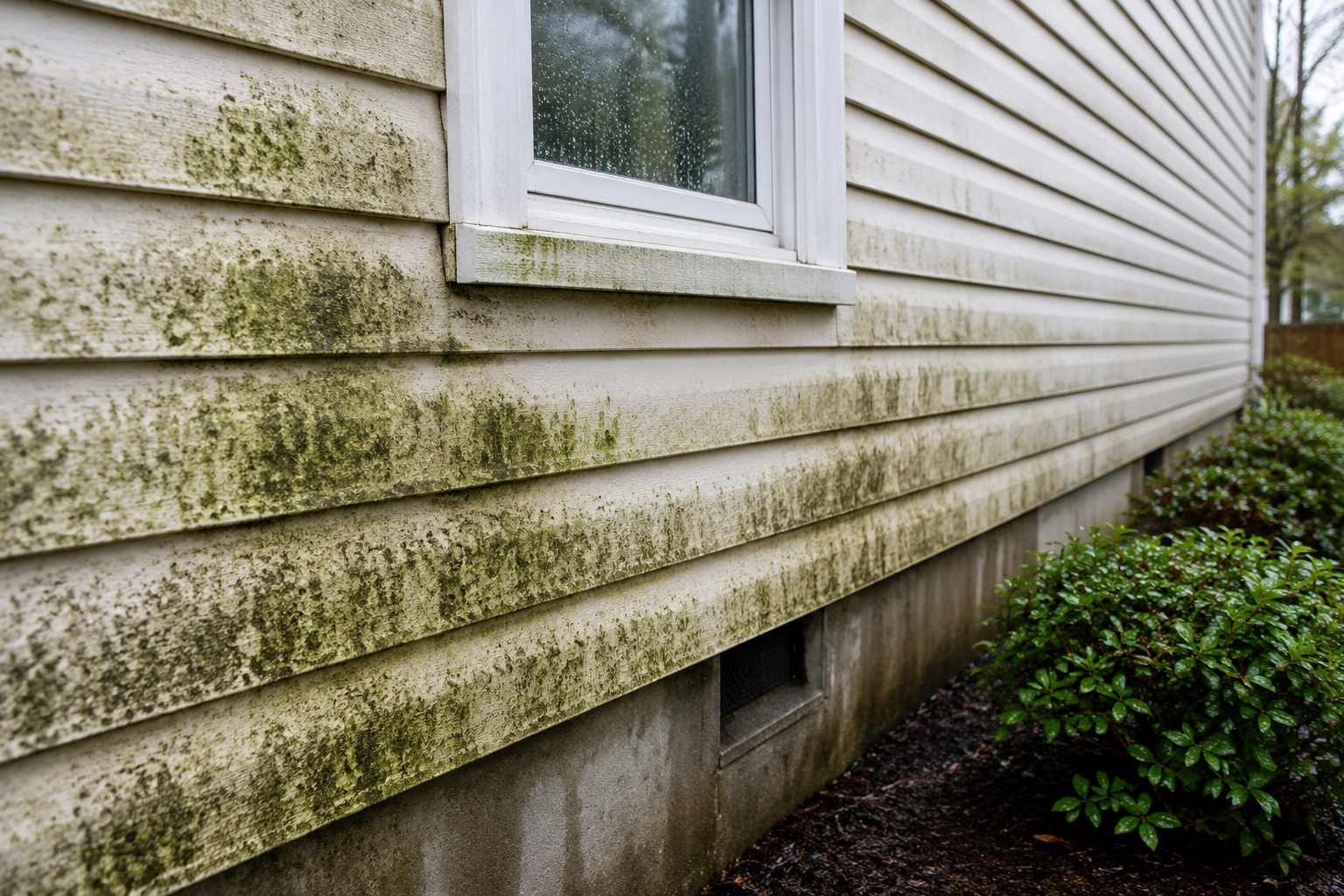
Living in the Virginia and Hampton Roads area offers incredible coastal beauty, but our warm, humid climate comes with a hidden challenge: moisture. That persistent humidity creates an ideal breeding ground for mold, mildew, algae, and organic debris. While many homeowners view green or black streaks on their siding and walkways as a mere cosmetic nuisance, leaving mold untreated poses serious risks to your property’s structural integrity and your family’s health.
Understanding how mold impacts your home is the first step toward proactive property maintenance. By recognizing the dangers early and choosing the right maintenance approach: such as professional soft washing over harsh high pressure: you can protect your investment for years to come.
The Hidden Threat: How Mold and Mildew Attack Exterior Surfaces
When mold and mildew take root on your home’s exterior, they do far more than discolor your curb appeal. Organic growth feeds on moisture and organic materials found in paint, wood, caulk, and vinyl siding. Over time, mold colonies trap moisture directly against these surfaces, accelerating wear and tear.
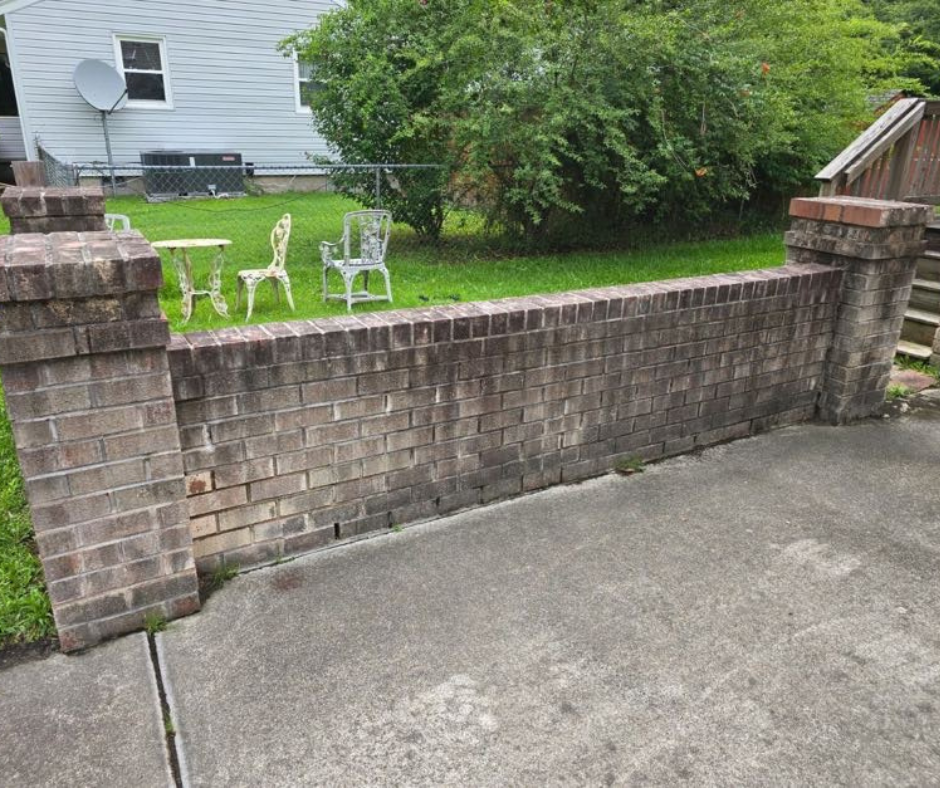
On wood siding, decks, and trim, unmanaged mold breaks down cellular structures, leading to soft spots, rot, and eventual warping. On painted surfaces, moisture trapped by mildew causes paint blistering, cracking, and peeling. Even durable materials like brick and concrete are porous; when algae and mold colonize masonry, they hold moisture that expands during cooler months, leading to pitting, cracking, and costly repairs. Routine upkeep, including professional pressure washing for hardscapes and targeted cleaning, stops this degradation in its tracks.
Beyond the Exterior: How Outdoor Growth Affects Indoor Air Quality
A common misconception is that outdoor mold stays strictly outdoors. Unfortunately, exterior mold growth situated near windows, doors, and ventilation intakes can easily find its way inside your living space.
As mold spores multiply on exterior walls, porches, and around gutter cleaning zones where organic debris accumulates, wind currents and HVAC intake systems can pull those spores indoors. For family members with allergies, asthma, or respiratory sensitivities, elevated mold spore counts can trigger persistent sneezing, coughing, and indoor air quality issues. Keeping your home’s perimeter clean and sanitized is essential not just for structural health, but for a healthy indoor environment.
The High-Pressure Trap: Why DIY Washing Can Worsen the Damage
When homeowners notice mold and mildew creeping up their walls, the temptation to rent a commercial pressure washer for a weekend DIY project is strong. However, applying high-pressure water to delicate exterior surfaces often causes more harm than good.
High-pressure streams can strip paint off siding, gouge wood fibers, shatter window seals, and: most dangerously: force water behind your siding and into your wall cavities. Trapped moisture inside wall panels creates hidden mold colonies and structural rot that can go unnoticed for months. Furthermore, high pressure only blasts away surface debris without killing mold roots, meaning the growth returns within weeks.
The Elite Exteriors Solution: Eco-Friendly Soft Washing
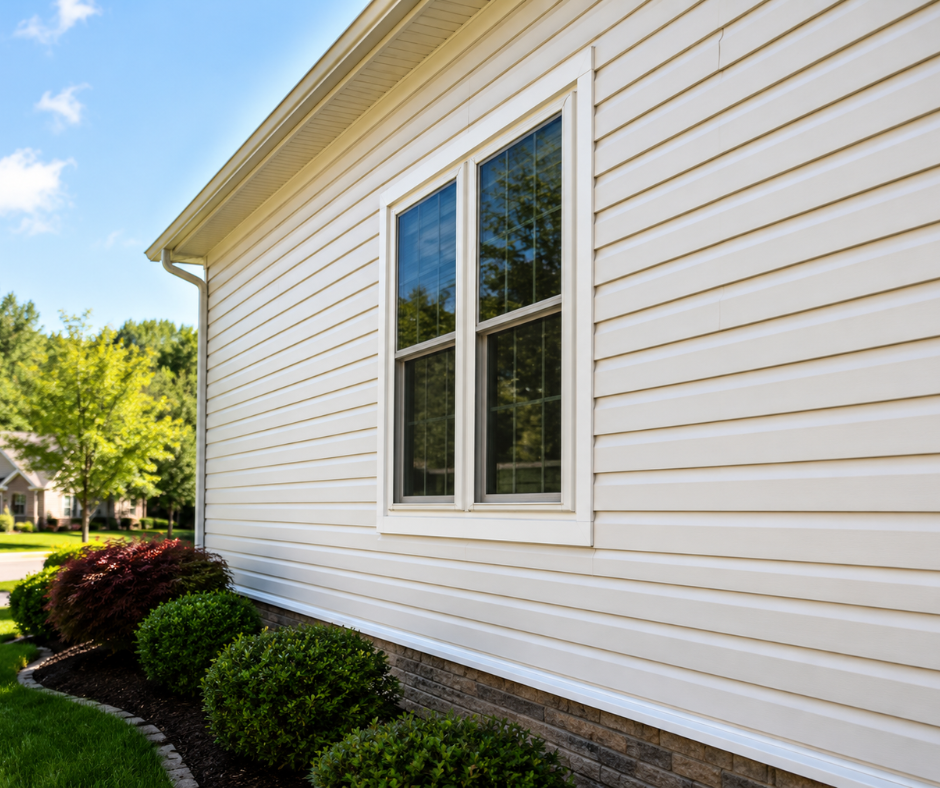
To effectively eliminate mold without risking structural damage, professional exterior maintenance requires a specialized touch. Rather than relying on brute force, modern property care utilizes low-pressure soft washing.
This proven method combines professional-grade, eco-friendly cleaning solutions with a gentle rinse to safely eradicate mold, mildew, and algae at the root. Soft washing is ideal for vinyl siding, stucco, and delicate trim, thoroughly sanitizing the surface while protecting your landscaping and preserving your warranty. For comprehensive property care backed by deep local expertise in Virginia weather patterns, turn to the trusted professionals at Elite Exteriors.
Frequently Asked Questions
Can I remove exterior mold myself using household bleach?
While bleach can temporarily lighten mold stains, DIY mixtures often fail to kill mold roots embedded in porous surfaces. Furthermore, harsh chemicals can damage surrounding plants, grass, and aluminum fixtures if not properly diluted and rinsed. Professional soft washing ensures deep sanitization while safeguarding your landscaping and exterior materials.
How often should my home be washed to prevent mold buildup?
In the humid Hampton Roads climate, we recommend scheduling professional exterior house washing annually. Routine maintenance prevents organic buildup from embedding into your siding, paint, and masonry, keeping your property looking pristine and structurally sound year-round.
Is soft washing safe for my roof and siding?
Yes! Soft washing uses low pressure: comparable to a standard garden hose: combined with eco-friendly cleaning agents to safely lift mold and algae from delicate surfaces like asphalt shingles and vinyl siding without causing granule loss or structural damage.
Summary
Leaving mold and mildew untreated on your Virginia property invites premature aging, costly structural damage, and potential indoor air quality concerns. While humid coastal conditions make organic growth inevitable, regular professional maintenance provides an effective defense. By partnering with a local, family-run expert like Elite Exteriors, you ensure your home receives the specialized soft washing, pressure washing, and exterior care it needs to stay protected, beautiful, and resilient season after season.